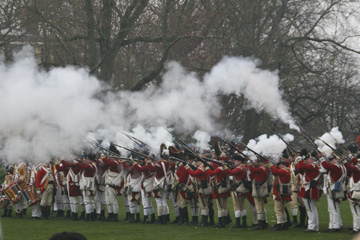
If you are an Outlander fan like me, the Battle of Kings Mountain likely resonates deeply. In Diana Gabaldon’s story, Jamie Fraser knows that this rugged mountain fight in October 1780 will become a turning point in the American Revolution—and a moment that will shape the destiny of his family.
Long before Jamie’s fictional march, real frontiersmen gathered in what is now Abingdon, Virginia, to answer the call to arms.
A Quiet Place with a Powerful Story
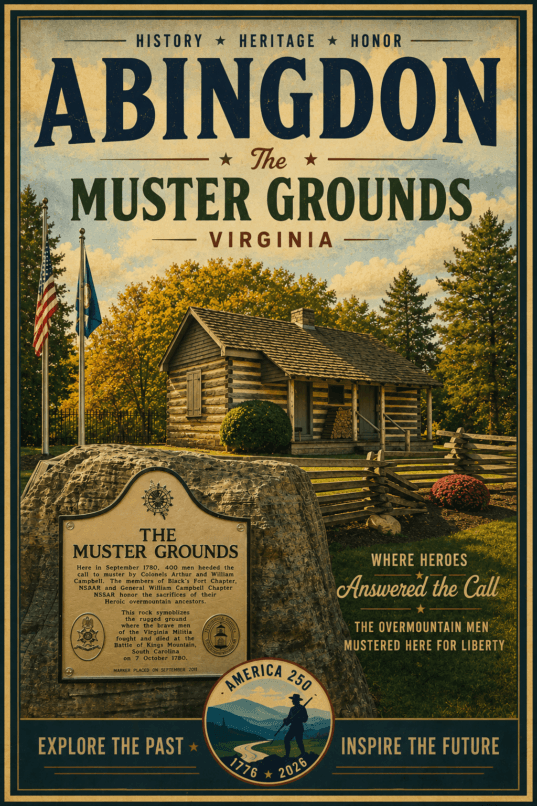
Today, visitors to Abingdon can stand at the historic The Muster Grounds, a site run by the National Park Service. . A simple marker and reconstructed log cabin commemorate the place where approximately 400 Virginia militia assembled in September 1780. It is part of the Overmountain Victory National Historic Trail.
These men responded to the leadership of Colonels Arthur Campbell and William Campbell, preparing to join the legendary Overmountain Men—backcountry settlers from Virginia, North Carolina, and what is now Tennessee.
Their mission was urgent: stop British Major Patrick Ferguson before he could crush Patriot resistance in the southern colonies.
Who Were the Overmountain Men?
The Overmountain Men were farmers, hunters, and Indian fighters living west of the Blue Ridge Mountains. They were fiercely independent and accustomed to hardship.
When Ferguson threatened to “lay waste” to their settlements, they chose to strike first.
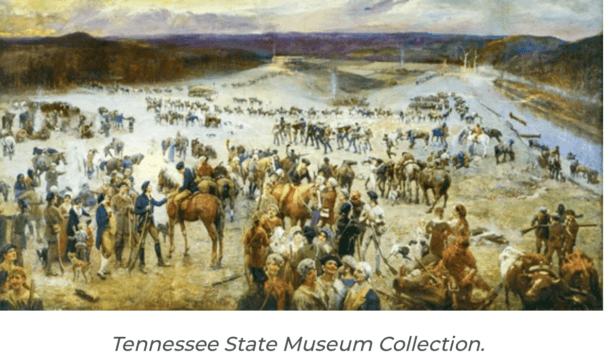
Gathering at places such as Abingdon and Sycamore Shoals State Historic Park, they crossed the Appalachian Mountains on horseback, carrying long rifles and enough determination to alter the course of the war.
The March to Kings Mountain
The Patriots converged on the South Carolina frontier and caught Ferguson’s Loyalist force atop Kings Mountain National Military Park on October 7, 1780. The battle lasted little more than an hour.
Using frontier tactics and accurate rifle fire, the Americans surrounded the ridge and attacked from all sides. Ferguson was killed, and his army was destroyed.
Thomas Jefferson later called Kings Mountain “the joyful annunciation of that turn of the tide of success which terminated the Revolutionary War.”
Why Kings Mountain Mattered
Before Kings Mountain, the British appeared dominant in the South after victories at Charleston and Camden. You can read my earlier blog posts on those battles here: https://bylandersea.com/2026/04/from-savannah-to-kings-mountain-a-turning-point-in-the-southern-campaign/
For many historians, Kings Mountain was the beginning of the end for British hopes in the South.
The Outlander Connection
In Outlander, Jamie Fraser understands that Kings Mountain is one battle he cannot avoid.
Fans know the emotional weight of that realization. Jamie marches toward a fight where Frank records his death.
While I visited a few years ago, standing at the Muster Grounds in Abingdon brings that fictional journey vividly to life. The peaceful log cabin and memorial marker speak to the courage of the men who gathered here, leaving farms and families to defend the cause of liberty.
Visiting the Muster Grounds
The Muster Grounds are located near downtown Abingdon and are an ideal stop for travelers exploring Virginia’s Revolutionary War history. Nearby lies the Sinking Spring Cemetery.
Sinking Spring Cemetery
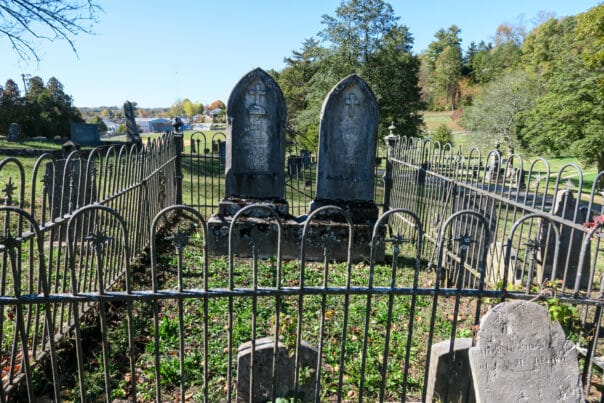
The Sinking Spring Cemetery is one of the oldest burial grounds in Southwest Virginia. Established in the late 18th century, the cemetery contains the graves of frontier families, Revolutionary War veterans, and generations of settlers who built this rugged corner of Virginia.
As I wandered among the weathered headstones and iron-fenced family plots, I could not help but wonder whether some of the men who answered the call to arms in September 1780 now rest here. These were farmers, hunters, and fathers who left their homes to join the Overmountain campaign and march toward the Battle of Kings Mountain.
The worn stones, softened by time and lichen, offer a poignant reminder that history is not just found in monuments and battlefields. It also lives in the quiet places where those who shaped our nation were laid to rest.
Final Thoughts
The Overmountain Men were not professional soldiers. They were neighbors, fathers, and farmers who rose when liberty was threatened. Their victory at Kings Mountain changed the Revolution.
And for Outlander fans, this quiet Virginia site offers a moving connection between historical truth and beloved fiction.
Where to Stay
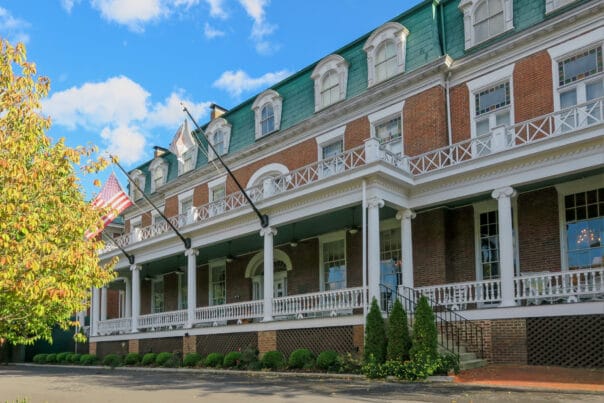
The Martha Washington Inn & Spa is one of Virginia’s most storied hotels and an ideal place to stay while exploring Abingdon’s Revolutionary War sites, including the Muster Grounds and Sinking Spring Cemetery.
The building was constructed in 1832 as a private residence for General Francis Preston, a prominent attorney, politician, and member of one of Southwest Virginia’s leading families. The mansion reflected the elegance and prosperity of early 19th-century Abingdon, with wide porches, gracious rooms, and a commanding location on Main Street.
A Women’s College
In 1858, the property became Martha Washington College, named for George Washington’s wife, Martha Washington. The school educated young women for more than seven decades and gained a reputation as one of the South’s respected female academies. Students studied literature, music, languages, and the social graces expected of the era.
Civil War Hospital
During the Civil War, the college served as a Confederate hospital. Wounded soldiers were treated in the classrooms and dormitories, and local lore speaks of lingering spirits from this turbulent period.
Reinvented as a Hotel
The school closed in 1932, and in 1935 the building reopened as the Martha Washington Inn. Over time, it became one of Virginia’s best-known historic hotels. Today, the inn blends period charm with modern comforts, including a spa, elegant guest rooms, and welcoming common areas. I loved my stay there.
Ghost Stories and Legends
The hotel is widely considered one of Virginia’s most haunted inns. Guests and staff have reported mysterious footsteps, unexplained voices, and other paranormal encounters, particularly in the older sections of the building. I did not encounter any and loved my stay in the Inn.